Research-Grade Peptides
for Scientific Research
Biotech Peptides provides research-use peptides and peptide blends for laboratory and scientific applications, with a focus on product identity, analytical quality, batch documentation, and consistent handling.
Biotech Peptides is a USA-based supplier of research peptides, peptide blends, and research compounds, supported by product information, quality documentation, and a research-focused Knowledge Hub.
A More Research-Focused Way to Source Peptides
Biotech Peptides organizes its catalog and educational resources around the information researchers need to evaluate research-use peptides: product identity, quality documentation, research context, and practical handling information.
Clear Product Identity
Each catalog entry is organized around the named peptide or peptide blend, helping researchers find the specific compound they are evaluating.
Quality Documentation
Quality information and batch documentation are part of the research-focused experience, supporting more informed evaluation of peptide materials.
Research Context
The Knowledge Hub provides peptide education, analytical concepts, research terminology, and answers to common questions in one place.
Practical Research Resources
Researchers can move from product information to supporting resources such as the peptide calculator and educational Knowledge Hub.
Information is presented for laboratory and scientific research purposes.
Explore Research Peptides
Browse selected research-use peptides and peptide blends from the Biotech Peptides catalog. Each product page provides compound-specific information for researchers evaluating materials for laboratory work.
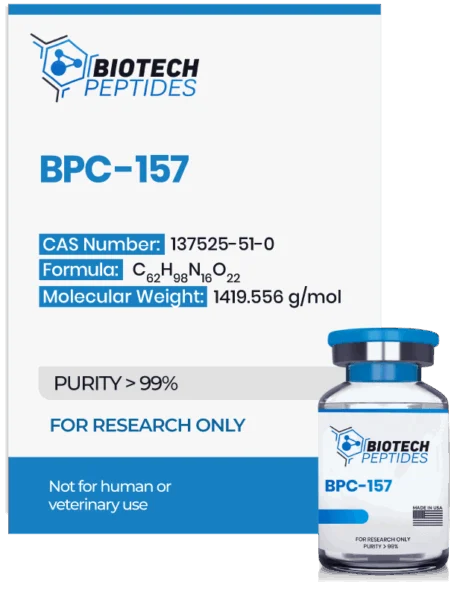
BPC-157
Peptide research compound
Explore compound-specific product information and research resources for BPC-157.
View BPC-157 ↗CJC-1295 + Ipamorelin
Research peptide blend
Review the product page for blend identity, available product details, and research-focused information.
View CJC-1295 + Ipamorelin ↗TB-500
Thymosin beta-4 research material
Access the TB-500 product listing and supporting research-oriented information from the catalog.
View TB-500 ↗GHRP-6
Peptide research compound
Explore the GHRP-6 product listing alongside the broader peptide research catalog.
View GHRP-6 ↗Looking for a specific compound? Search the complete research peptide catalog.
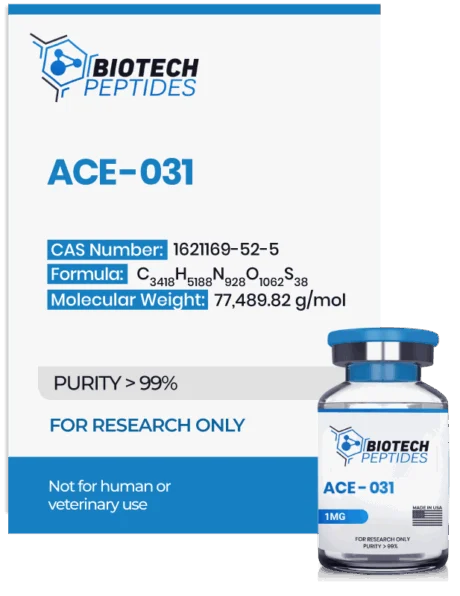
ACE-031 (1mg)
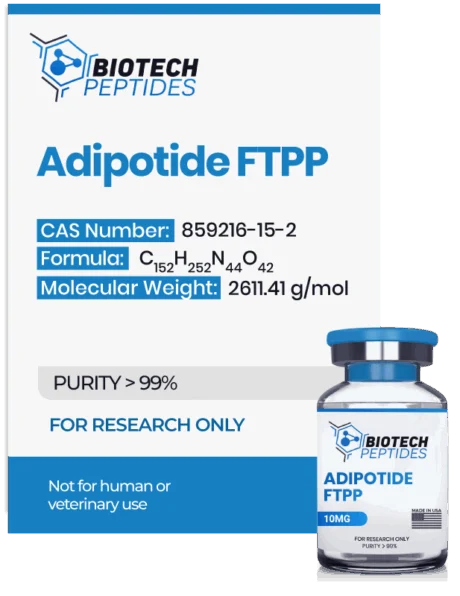
Adipotide FTPP (10mg)
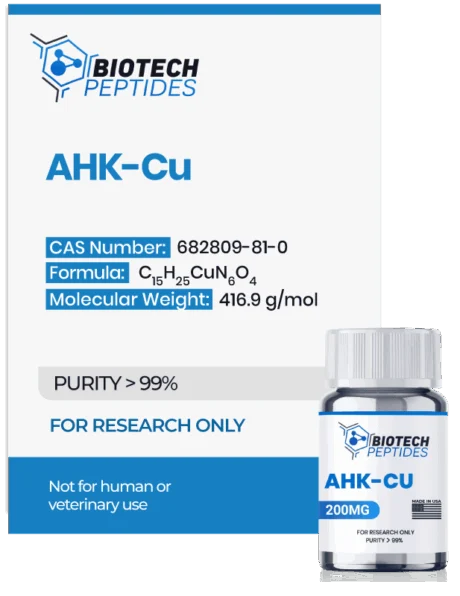
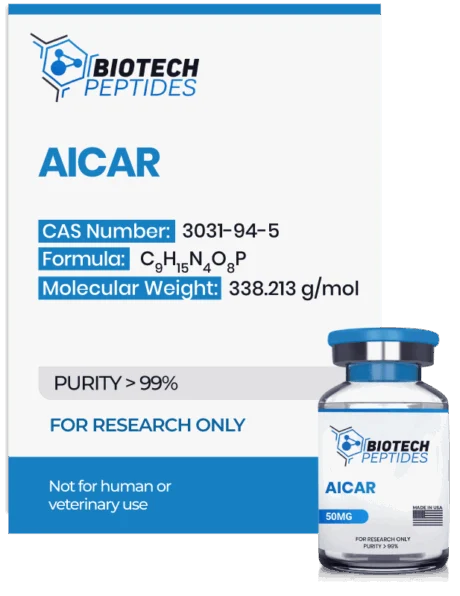
AHK-Cu (200mg)
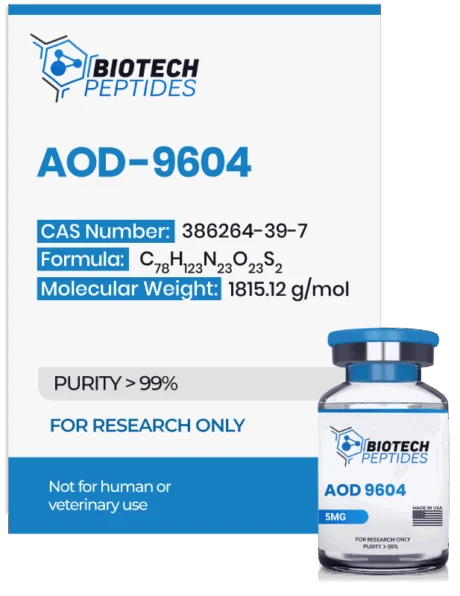
AOD 9604 (5mg)
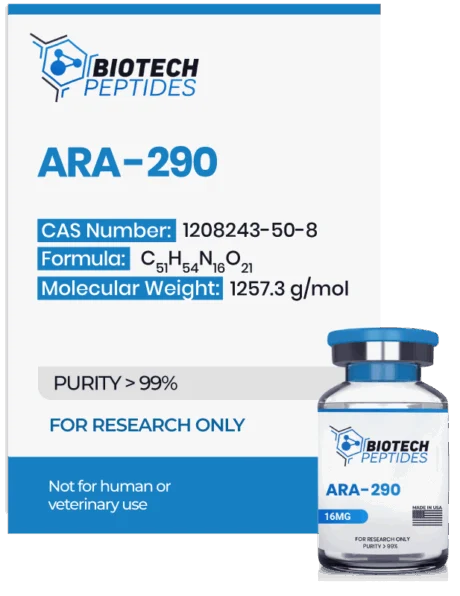
ARA-290 (16mg)
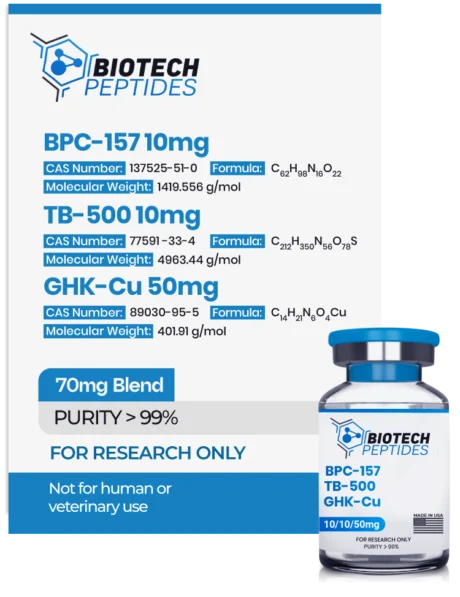
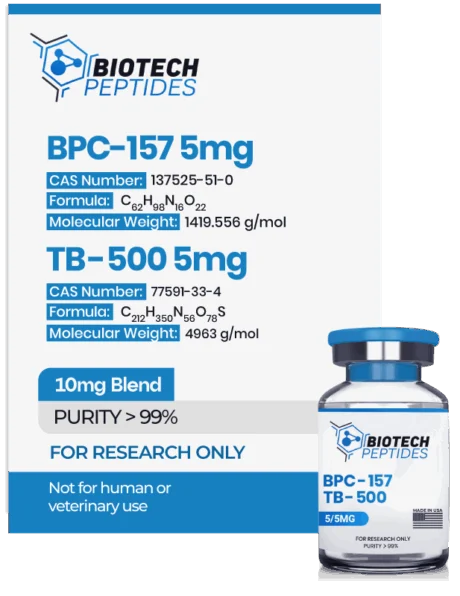
BPC-157 & TB-500 Blend (10mg)
BPC-157 (5mg & 10mg)
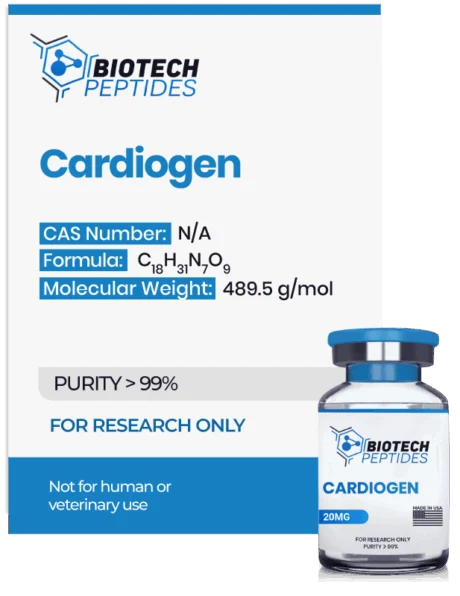
Cardiogen (20mg)
Quality Information Should Be Easy to Evaluate
For research-use peptides, useful product information goes beyond a product name. Researchers need a clear way to understand compound identity, analytical quality, batch documentation, and appropriate research handling.
Product Identity
Identify the specific peptide or blend before evaluating any supporting research information.
Analytical Quality
Quality assessment should be connected to appropriate analytical information rather than relying on marketing language alone.
Batch Documentation
Batch-level documentation helps researchers connect a material to the information supplied for that specific product lot.
Research Handling
Storage, preparation, and handling information should be reviewed alongside the product's research documentation.
Research use only. Product and educational information is provided for laboratory and scientific research purposes.
Research Answers, Organized for Discovery
The Biotech Peptides Knowledge Hub brings peptide fundamentals, research terminology, quality concepts, handling information, and frequently asked questions into one research-focused resource.
What is the Biotech Peptides Knowledge Hub?
It is an educational resource for researchers seeking organized information about peptides, research terminology, quality concepts, handling considerations, and related laboratory topics.
Turn Peptide Research Into Clear Calculations
Use the Biotech Peptides research tools to work through common peptide calculation and planning tasks in one place. The tools are designed as technical research resources, not medical dosing instructions.
Open Peptide Calculator →Peptide Reconstitution
Calculate concentration and volume relationships for research preparation.
Dosage Per Draw
Work through mathematical volume and concentration relationships for a research setup.
Cost Per Unit
Compare research-material costs using a consistent unit calculation.
Purity Correction
Explore how a stated purity value changes a calculated material quantity.
Half-Life Decay
Model mathematical decay across repeated half-life intervals.
BAC Water Dilution
Calculate dilution relationships for research preparation planning.
Freeze–Thaw Planner
Organize research planning around repeated freeze–thaw considerations.
Blend Mixer
Work through mathematical relationships when evaluating peptide blends.
One calculator. Multiple research workflows.
Start with the calculation you need, then return to the Knowledge Hub for supporting peptide terminology and research information.
Research FAQ
Frequently Asked Questions About Research Peptides
Clear, research-focused answers to common questions about peptide terminology, product documentation, purity, storage, reconstitution concepts, and research use.
Quick answer: Research peptides are peptide compounds supplied for laboratory and scientific research. Evaluating a research peptide should involve identity, analytical information, batch documentation, handling requirements, and the intended research context.
What are peptides?
Peptides are chains of amino acids linked by peptide bonds. In research, peptide compounds are studied for their molecular structure, interactions, stability, analytical characteristics, and other scientific properties.
What are research peptides?
Research peptides are peptide compounds supplied for scientific and laboratory research rather than as products intended for human or veterinary use. Research documentation should make the product's intended use clear.
What does “research use only” mean?
“Research use only” indicates that a product is supplied for laboratory research and is not represented as a medicine, dietary supplement, or approved treatment. Researchers should follow applicable institutional, legal, and laboratory requirements.
What is peptide purity?
Peptide purity describes the proportion of the intended peptide relative to detected impurities under a specified analytical method. Purity should be interpreted together with the analytical method, reported result, and batch documentation rather than treated as the only measure of product quality.
What is a peptide CoA?
A Certificate of Analysis (CoA) is batch-specific documentation that can report analytical results and product information. Researchers can use a CoA as part of their documentation review when evaluating a peptide batch.
What is peptide reconstitution?
Reconstitution is the process of converting a lyophilized peptide material into a solution for a defined research procedure. The appropriate research protocol depends on the compound, solvent system, concentration, handling requirements, and experimental design.
How should lyophilized peptides be handled?
Handling should follow the product's documented storage and laboratory procedures. Researchers should consider moisture, temperature exposure, light where relevant, container integrity, and unnecessary freeze–thaw cycles when establishing a handling protocol.
How can researchers compare peptide products?
Compare the peptide identity, sequence or product specification where available, stated quantity, analytical information, batch documentation, storage guidance, and other relevant research specifications. A consistent comparison framework makes product evaluation easier to document.
Need a deeper technical answer?
Explore the Knowledge Hub for additional peptide fundamentals, analytical concepts, research handling topics, and detailed FAQs.
Built for Research
A Research-Focused Peptide Supplier Built Around Documentation
Choosing a research peptide is more than comparing a product name. Researchers need clear product information, consistent documentation, accessible research resources, and a straightforward way to evaluate materials for laboratory work.
Research-Focused Catalog
Browse peptide compounds and blends organized for laboratory and scientific research, with product information available directly from the catalog.
Quality & Documentation
Evaluate available analytical information, batch documentation, product specifications, and other quality-related details before selecting research materials.
Research Knowledge
Use the Knowledge Hub to understand peptide fundamentals, analytical concepts, research handling, terminology, and frequently asked questions.
Practical Research Tools
Use dedicated peptide calculation tools to support research planning and technical calculations without replacing laboratory protocols or institutional guidance.
Research Categories
Explore Peptide Compounds by Research Focus
Organize peptide research around the compound, class, or formulation you are investigating. The categories below create clear pathways from high-level research topics into relevant products and technical resources.
Growth-Hormone-Related Peptides
Explore individual compounds and blends commonly grouped around growth-hormone-related research.
BPC-157 & TB-500 Research
Review products associated with BPC-157 and thymosin-related research, including available blends.
GHK-Cu & Related Peptides
Explore copper-peptide products and related research compounds in the existing catalog.
Semax, Selank & Related Compounds
Find selected neuropeptide research products and related analogues in the catalog.
Metabolic & Cellular Research Peptides
Explore selected compounds used in laboratory research involving metabolic and cellular pathways.
Specialized Peptide Compounds
Browse less-common research compounds spanning signaling, molecular, receptor, and experimental research areas.
Quality & Research Standards
A Clearer Way to Evaluate Research Peptide Materials
Good research documentation starts with clear product identity and continues through analytical information, batch records, handling guidance, and transparent access to supporting resources. Use a consistent evaluation process when selecting research materials.
Identify the Material
Confirm the peptide name, product specification, stated quantity, and other available identifying information.
Review Analytical Information
Consider available purity, identity, analytical-method, and batch-related information in its proper context.
Check Documentation
Review available CoAs, product documentation, storage information, and other records relevant to the research material.
Follow Research Protocols
Use appropriate laboratory procedures, institutional requirements, and product-specific handling instructions.
Researcher Resources
Research Information, Tools & Product Resources in One Place
Move from discovery to technical research with connected product, educational, and calculation resources. Each pathway helps researchers find information relevant to their next step.
Knowledge Hub
Explore peptide fundamentals, quality concepts, research handling topics, terminology, and frequently asked questions.
Visit the Knowledge HubPeptide Calculator
Access eight research-oriented tools covering reconstitution, calculations, purity correction, decay, dilution, freeze–thaw planning, and blends.
Open the CalculatorResearch Peptide Catalog
Browse individual peptide compounds and blends, then review the information provided for each specific research product.
Browse the CatalogQuality & Documentation
Use available product documentation to evaluate identity, analytical details, batch records, and handling requirements.
Review Research GuidancePeptide Research Topics
Follow category pathways into selected compounds such as BPC-157, TB-500, GHK-Cu, Semax, Selank, and other research materials.
Explore ProductsResearch Support
For questions not answered by the site's product and research resources, use the contact channel for additional assistance.
Contact UsStart with the resource that matches your research question.
Learn terminology, calculate a research value, inspect the catalog, or review product information before moving to the next step.
Research Knowledge
Go Deeper Into Peptide Research
Use educational content to understand peptide terminology, research methods, analytical concepts, and practical laboratory considerations before evaluating individual compounds.
Peptide Basics & Terminology
Build a foundation with explanations of peptide structure, terminology, common research concepts, and related scientific language.
Explore FundamentalsPurity, Identity & Analytical Concepts
Learn how researchers can think about peptide purity, analytical information, batch documentation, and product evaluation.
Explore Quality TopicsLyophilized Peptides & Research Handling
Review general concepts surrounding storage, handling, reconstitution, freeze–thaw exposure, and laboratory preparation.
Explore Handling TopicsIndividual Peptide Research
Use the Knowledge Hub and product catalog together to move from a compound name to relevant research information and product documentation.
Explore Peptide ProductsPeptide Research Calculations
Pair technical reading with practical calculation tools for research planning, including reconstitution and other peptide-related calculations.
Use the CalculatorCommon Research Questions
Find concise answers about research peptides, CoAs, purity, research-use terminology, and other frequently searched topics.
Read Research FAQsOne research question can lead to the next.
Start with the Knowledge Hub, then move to the relevant product or research calculator when you need a deeper resource.