Research Peptide Blend
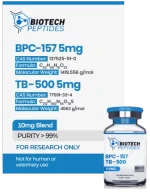
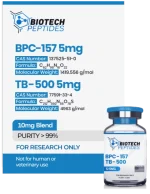
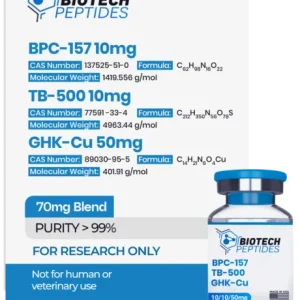
BPC-157 & TB-500 Blend (10mg)
What is the BPC-157 & TB-500 Blend? This is a research peptide blend containing BPC-157 and TB-500 in a single lyophilized product. The two peptide entities are studied separately in experimental research involving cellular migration, tissue-remodeling processes, actin-related signaling, angiogenic pathways, and other biological mechanisms. This product is offered for laboratory research and in-vitro experimentation only.
Product
BPC-157 & TB-500 Blend
Form
Lyophilized research material
Blend
BPC-157 + TB-500
Research use
Laboratory / in-vitro research only
Compound Overview
Two peptide entities in one research formulation
BPC-157
BPC-157 is a 15-amino-acid peptide that has been investigated in preclinical research involving cellular migration, fibroblast behavior, tissue-remodeling processes, and signaling pathways associated with experimental wound models.
TB-500 / Thymosin Beta-4
TB-500 is commonly described as a synthetic research peptide related to thymosin beta-4. Thymosin beta-4 research includes investigation of actin-associated mechanisms, cell migration, angiogenesis, and tissue-remodeling biology.
Research interpretation: Findings involving BPC-157 or thymosin beta-4 in experimental models should not be interpreted as evidence that this commercial blend produces a clinical or therapeutic effect. Research conditions, formulations, models, and endpoints vary between studies.
Analytical Reference
Peptide specifications
BPC-157 reference information
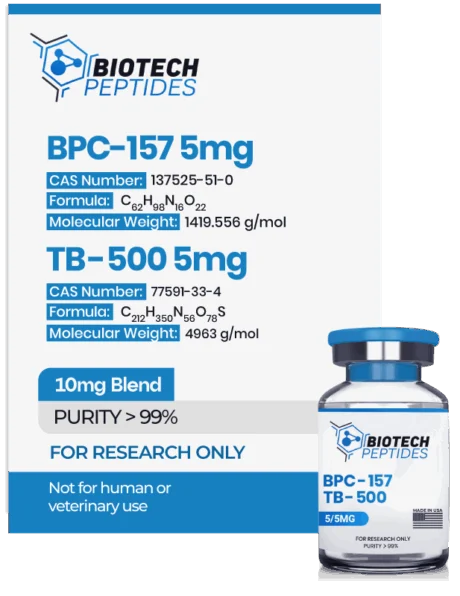
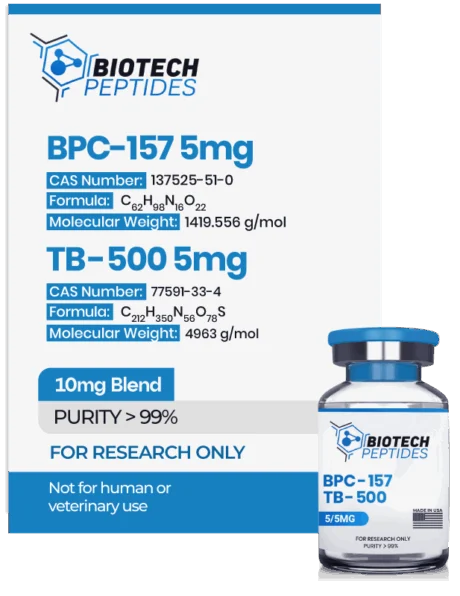
Molecular formula: C62H98N16O22
Molecular weight: approximately 1419.55 g/mol
Known designation: BPC-157
TB-500 / Thymosin Beta-4 reference information
Molecular formula: C212H350N56O78S
Molecular weight: approximately 4963 g/mol
Related designation: Thymosin Beta-4
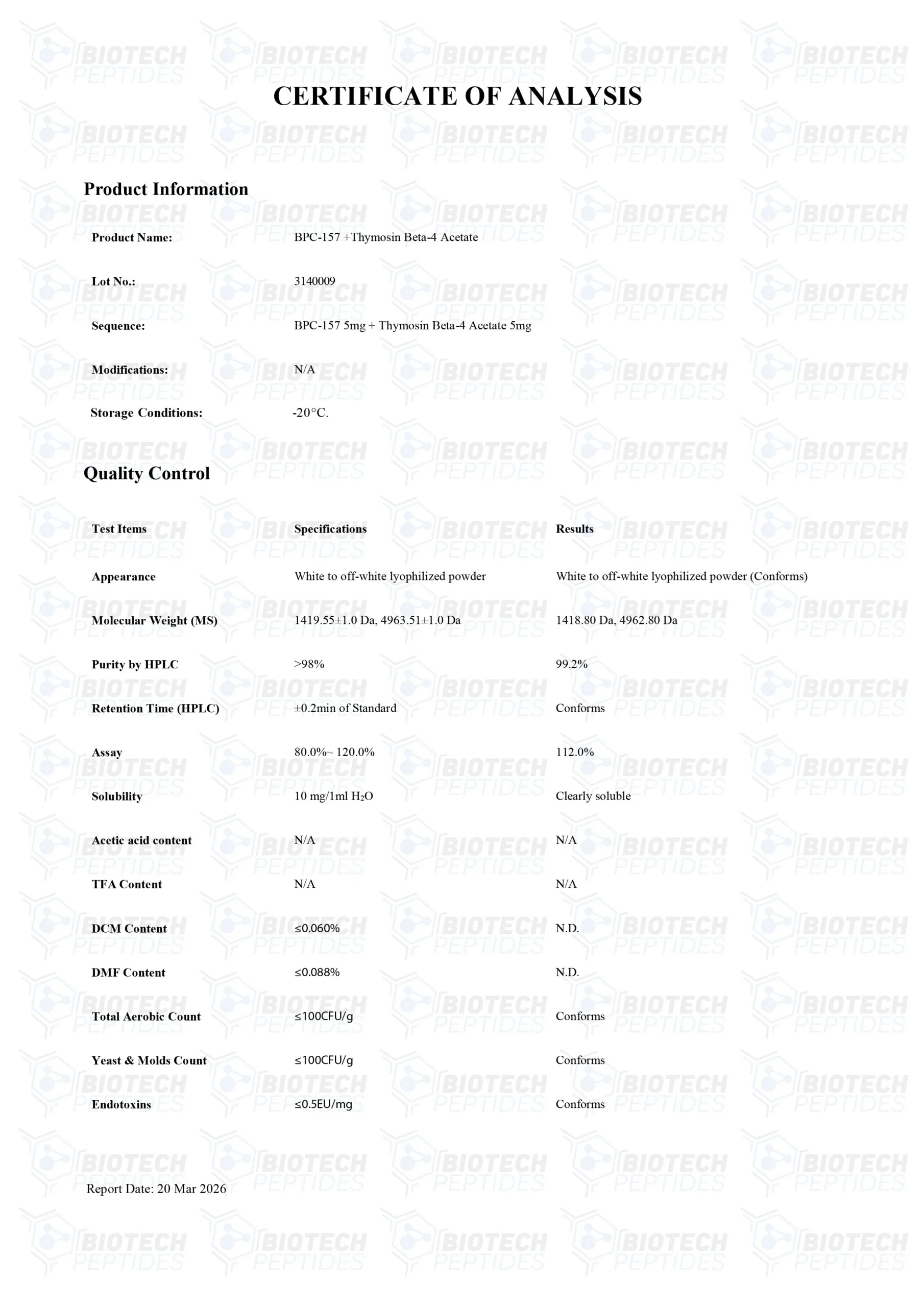
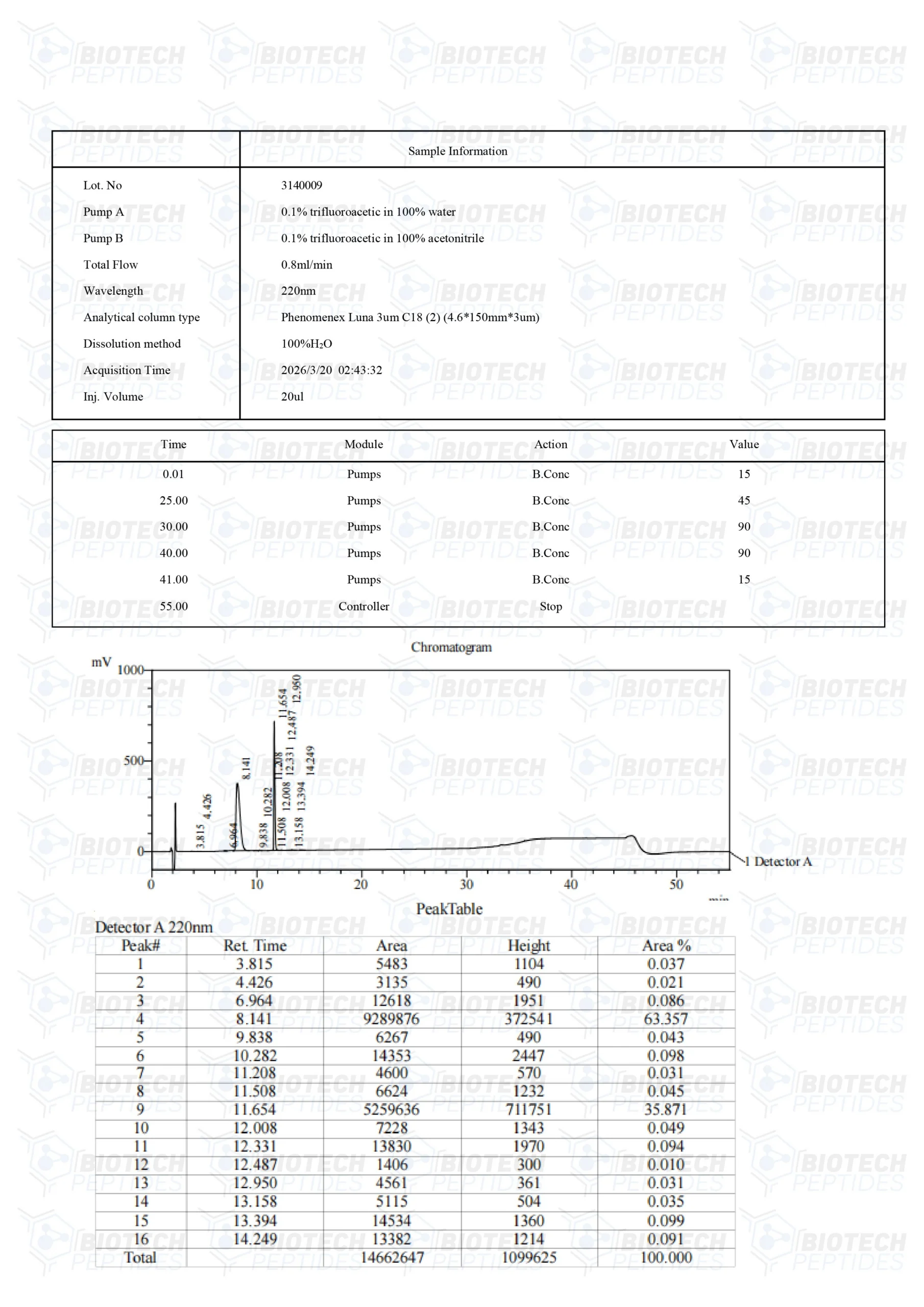
For batch-specific information, researchers should review the documentation supplied with the product rather than relying on generic specifications. Where available, use the product's CoA and analytical documentation as the primary batch-level reference.
Research Context
What does research investigate?
Cellular migration
Experimental literature has examined BPC-157 in relation to fibroblast outgrowth, cell survival, and cellular migration. Thymosin beta-4 research has also examined actin-associated cell movement and migration.
Actin and cytoskeletal biology
Thymosin beta-4 has been studied in connection with actin binding and cytoskeletal organization, making it a useful research entity for investigating mechanisms related to cellular structure and motility.
Angiogenic signaling
Preclinical studies have investigated BPC-157 and thymosin beta-4 in experimental angiogenesis models. These findings are model-specific and should be interpreted as research observations rather than clinical conclusions.
Tissue-remodeling models
Both peptide entities appear in experimental literature examining processes associated with tissue remodeling and repair biology. Researchers should evaluate the original study design, model, endpoints, and limitations for each claim.
Quality Documentation
Evaluate the batch, not just the product name
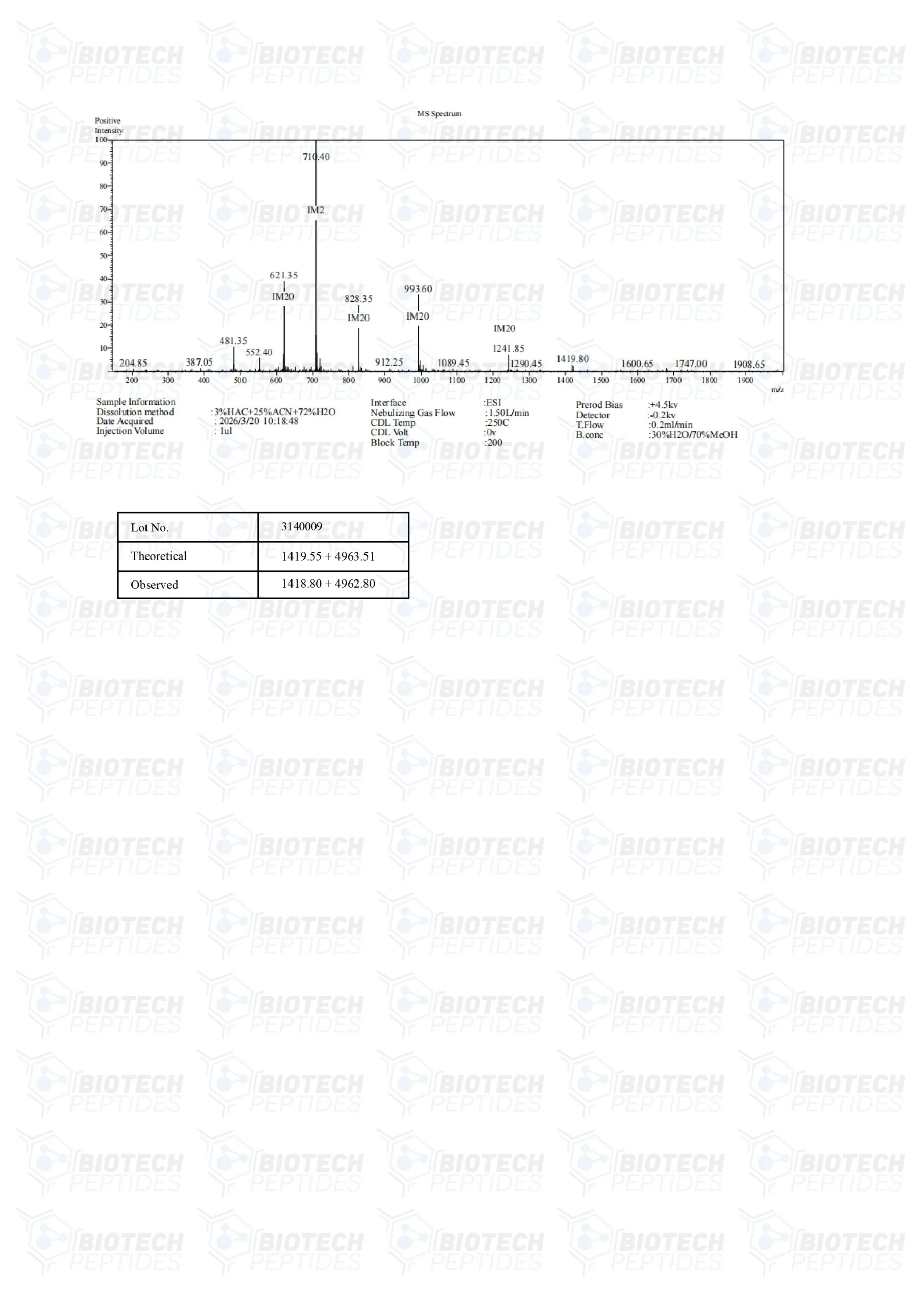
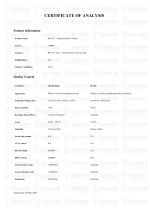
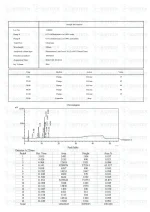
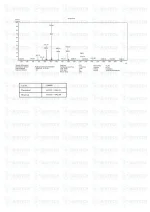
For research materials, product-level descriptions and batch-level analytical documentation answer different questions. Researchers evaluating this blend should use the available batch documentation, including applicable CoA, LC, MS, or other analytical records, to verify the material supplied.
The current product listing provides dedicated COA, LC, and MS product images. Researchers should use the documentation associated with the specific batch being evaluated and retain those records with their laboratory documentation.
Research FAQ
BPC-157 & TB-500 Blend questions
What is the BPC-157 & TB-500 Blend?
It is a lyophilized research formulation containing BPC-157 and TB-500. The product is intended for laboratory research and in-vitro experimentation, not human or animal consumption.
What are BPC-157 and TB-500?
BPC-157 is a 15-amino-acid research peptide investigated in several preclinical models. TB-500 is commonly used to describe a synthetic research peptide related to thymosin beta-4, a peptide studied in actin-associated and cell-migration research.
Is this product intended for human use?
No. This product is presented for laboratory research and in-vitro experimentation only. It is not intended for human or animal consumption or administration.
Is the blend the same as studying each peptide separately?
No. A blend introduces a combined formulation and should not automatically be treated as equivalent to separate single-peptide experiments. Researchers should account for formulation, composition, experimental design, and batch documentation.
Where can I find batch documentation?
Review the product's available CoA and analytical documentation associated with the supplied batch. Batch-level records should take precedence over generic product descriptions when evaluating a specific material.
Where can I learn more about peptide research and handling?
Visit the Biotech Peptides Knowledge Hub for research-oriented educational material, or use the Peptide Calculator for technical research calculations.
Research Resources
Continue your research
Selected Literature
Research references
- Chang CH, et al. Research on BPC-157, tendon outgrowth, cell survival, and cell migration. Journal of Applied Physiology. 2011. PubMed
- Hsieh MJ, et al. Research examining BPC-157 and VEGFR2-associated signaling. Journal of Molecular Medicine. 2017. PubMed
- Sosne G, Qiu P, Kurpakus-Wheater M. Thymosin beta-4 and corneal wound-healing research. Clinical Ophthalmology. 2007. PMC
- Lv S, et al. Thymosin-β4 and angiogenesis research in a critical-limb-ischemia mouse model. International Journal of Molecular Medicine. 2020. PMC
Research-use notice
This product is intended solely for laboratory research and/or in-vitro experimentation. It is not intended for human or animal consumption, diagnosis, treatment, prevention, or administration. Researchers are responsible for complying with applicable laws, institutional requirements, laboratory protocols, and safety procedures.
Information on this page summarizes research context and product information. Experimental findings are not guarantees of performance, efficacy, safety, or clinical outcome.